
By Lezane Fourie RD(SA)

You know how everyone always tells you that having children is a good idea and they will bring you buckets full of joy, love and laughter in your life? Right! So, you followed their advice, got your own little bundle of joy and after six months they have to start eating, and you realise that your bundle of joy is not a bundle of joy anymore. Mealtimes are like a war zone where you have to tread carefully, and your buckets full of joy, love and laughter turn into buckets full of tears and frustration.
Always remember, in the midst of all your emotions and frustration, you are not alone, you are not a bad parent, and you are definitely not a failure.
This is a very common struggle that millions of parents before you had to overcome and those after you will have to overcome mealtime battles as well.
Now the questions you probably have are: How do I improve my family’s mealtimes? Will we ever be able to eat together as a family in peace? What will society think of me if my child starves to death? All the above questions are absolutely normal responses, and if your child is growing according to their growth curve, then there is no reason for panic. Visit your paediatrician or dietician if you are worried about your child’s weight.
Here are some tips on how to improve mealtimes with your toddler without waving the white flag and letting your child stampede all over you or your partner.
- First of all, have patience and offer nutritious meals often to your child. In order for your child to get used to the new flavours or textures, you might need to expose your child to that flavour or texture at least 15 to 20 times.
- Do not prepare a special meal for your child, offer the same food as the rest of the family. Dish everything up but in smaller quantities and if your child refuses to eat the specific food, they have to kiss it goodbye and throw it in the dustbin. In this way, they are still exposed to the texture and flavour.
- Avoid giving your child something to drink 30 minutes before a meal. The fluids will fill up their stomach, and then they might refuse to eat as well.
- Be the role model for your child. If you don’t like or eat certain types of food, your child will also not like to eat it, so try not to make any negative comments. Eat healthily and show your child that you enjoy it.
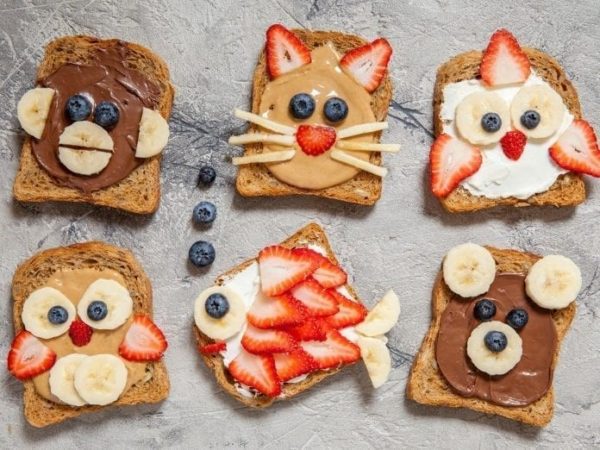
- Make meals and snacks look appealing and fun.
- Praise good behaviour with non-food rewards, for example, saying well done if they ate something new; if they try a new food you may give them a sticker or a badge; going for outings or their favourite activity can also be a reward. We do not want to bribe our children to eat.
- Do not force-feed your child.
If your child refuses to eat, take a look at the bigger picture – is this the first meal they’ve missed for the day or the week? Stay calm no matter what, do not let your emotions get the better of you. The little ones know exactly how to wrap you around their little finger.
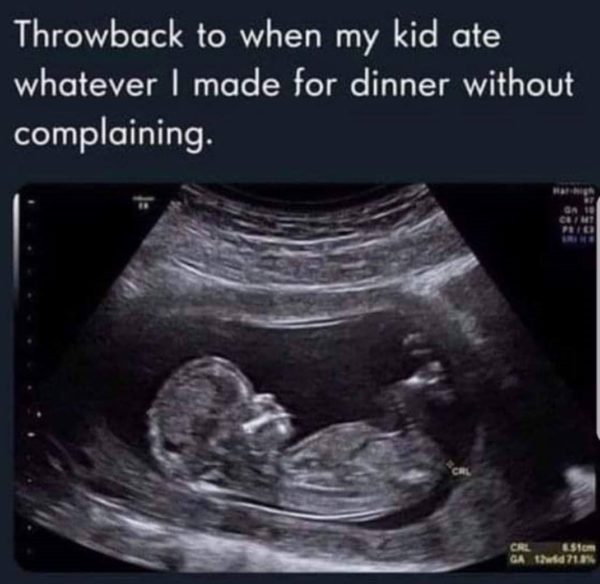
Laughter is the best medicine you can get, especially in a stressful situation, so here’s a picture to make you smile. Hang in there! You are doing a great job!
For the joy of food,
Until next time
Lezane