
By Colette Dreyer RD (SA)
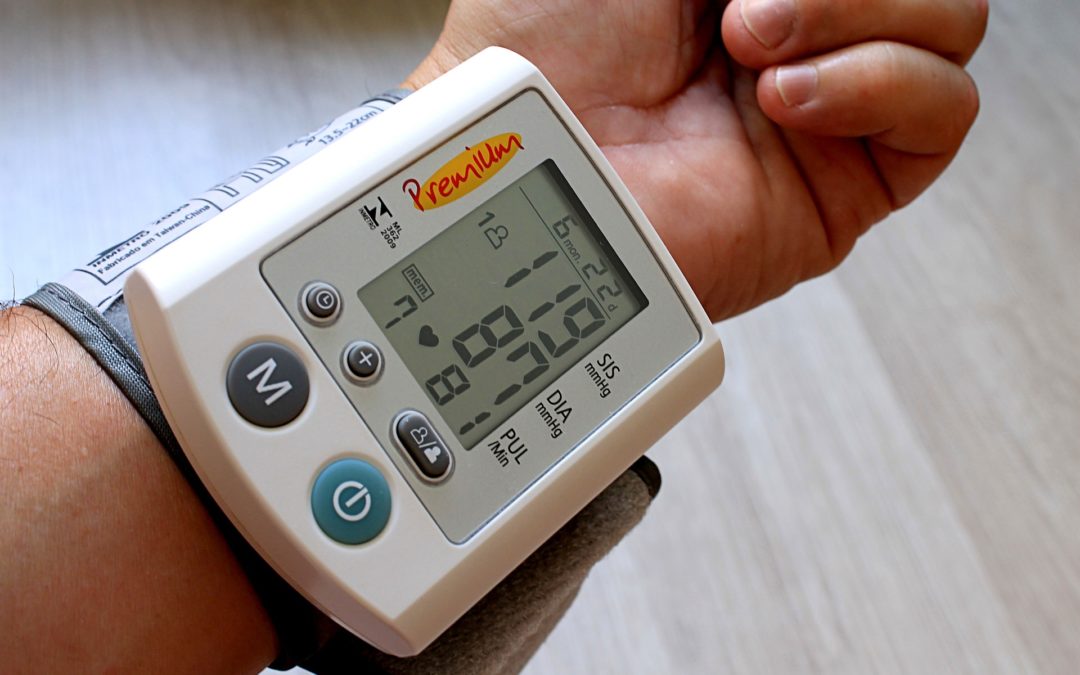
Link between salt intake and high blood pressure?
High salt intake is a major contributor to increase the risk for hypertension (high blood pressure), stroke and heart disease. According to the World Health Organization (WHO), 2.5 million deaths can be prevented if salt intake is lowered.
Blood pressure and kidney function go hand in hand. The kidney has various functions and plays an important role in removing toxins, salt (sodium), and in regulating water balance. High salt intake can lead to water retention, that lead to fluid build-up in the body. It makes it harder for your body to remove the excess fluid and the blood pressure will therefore increase. When salt consumption is high over a long period especially with fat accumulation, blood vessels can narrow. Your heart need to work harder to pump blood because of the narrowed blood vessel which will increase blood pressure further. Its important to monitor blood pressure regularly to prevent damage to the blood vessel, caused by fat accumulation in the blood vessel that could increase risk for stroke and heart disease.
With the increase in processed food consumption, affordability, accessibility and availability there’s an increased salt, sugar, trans- and saturated fats intake. Processed foods such as processed cereal, bread, ready-made meals, Vienna, ham, cheese, 2-minute noodles etc. are generally high in salt and should be avoided. These foods are often eaten in large quantities which increases the overall salt intake. Extra salt is often added during cooking such as stock cubes and soup packets to make a gravy, and/or added at the table such as table salt, soy sauce, aromat etc.
| LOW in Salt: Eat these foods | HIGH in salt: Eat small amounts | VERY HIGH in salt: Avoid |
| All fresh fruit & vegetablesFresh beans, oats, bread, maize porridge, peanut butterMilk, yogurt, boiled eggs, Homemade soup (no packet added), chutney, Canola/Sunflower oil, tub margarine, unsalted peanutsCurry (plain), Pepper (red, black, white), Herbs, Paprika, Cinnamon, Mustard, Garlic, Vinegar, Lemon juice | Soya minceSausagesPolonyViennaTin food: Tomato & onion mix, chakalaka, baked beansMeat tenderizerBottle/Box salad: Carrots, beans, beetrootMayonnaise, tomato sauce, Worcester sauce | AromatStock cubesSoup powderGravyCup-a-soupOnion saltGarlic saltMarmiteBovrilOxo spreadSimba chipsChicken spiceSteak and Chops spice |
Do you know your blood pressure values?
| Stage | Systolic BP (mmHg) | Diastolic BP (mmHg) | |
| Normal and optimal | <130 | And | < 85 |
| High normal | 130-139 | Or | 85-89 |
| Mild hypertension | 140-159 | Or | 90-99 |
| Moderate hypertension | 160 – 179 | Or | 100-109 |
| Hypertensive emergency | >180 | Or | >110 |
Please consult with your health care provider to assist in monitoring blood pressure at least once a year and to make personalised lifestyle changes when needed.
Grillo A, Salvi L, Coruzzi P, Salvi P, Parati G. Sodium intake and hypertension. Nutrients. 2019;11(9):1970.