
What is the DASH diet?
By Colette Dreyer RD (SA), NHC Honeydew.
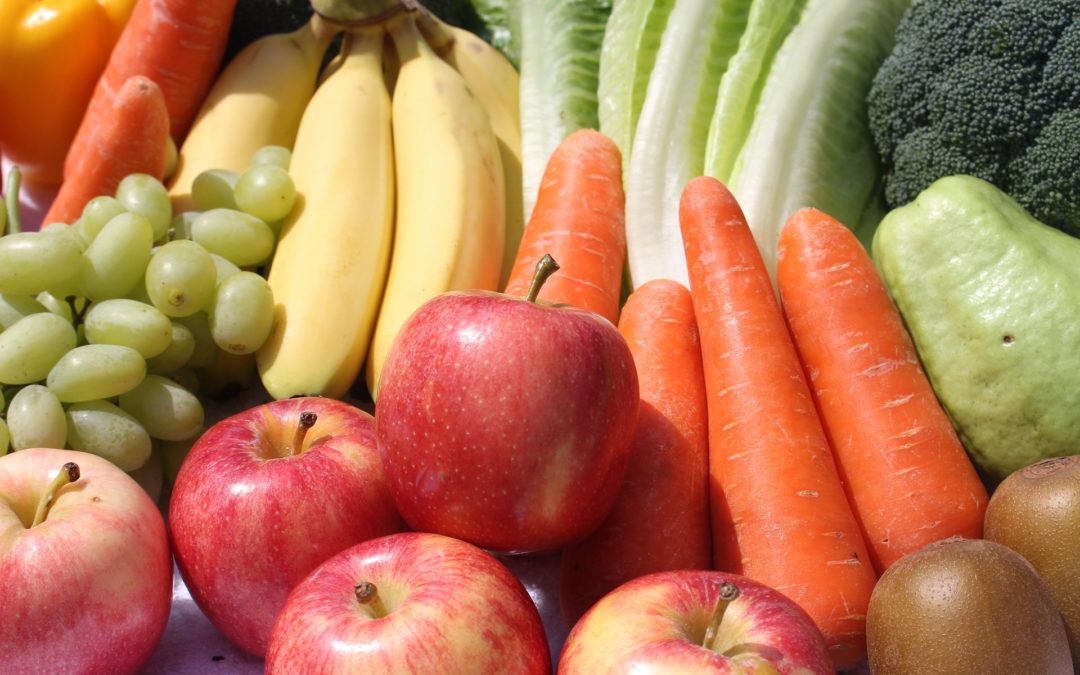
The DASH diet is a diet aimed at lowering blood pressure and stands for Dietary Approach to Stop Hypertension (High Blood pressure). The diet emphasizes fruits and vegetables and focus on including foods high in minerals such as potassium, magnesium and calcium.
Potassium plays an important role in lowering blood pressure and can be found in sweet potato, potato, bananas, avocado, dried beans, tomato etc. Magnesium assist in lowering blood pressure by preventing hardening of blood vessels. Magnesium rich food sources is pumpkin, nuts and seeds, quinoa, dark green leafy vegetables, milk and whole wheat cereals. Calcium plays a role in heart function and will also be increased in the DASH diet. Calcium rich sources include low fat or skim milk, low fat yogurt, low fat cheese, green leafy vegetables and fish.
A main focus of the DASH diet is to reduce sodium (salt) intake, by using low salt/salt free spices such as herbs, not adding extra salt at the table, checking food labels for “no added salt” or “sodium free”, and rinsing al tin food to remove excess salt.
Lean proteins should also be included in the diet such as fish (tuna, salmon), meat with fat trimmed and chicken without the skin. This diet focuses on reducing fat intake. Its recommended to opt for low fat options such as milk, yogurt, and low-fat cheeses. Other fat sources can be included a few times a week in small portion sizes, such as unsalted nuts, avocado, margarine and Oil. The DASH diet aims to reduce unhealthy fats (trans and saturated fats) and rather including healthy fats (mon-and polyunsaturated fats) in moderation.
Alcohol should be limited to not more than 2 units for men, and 1 unit for women. Alcohol can lead to as increased blood pressure.
In combination to following the DASH diet its recommended to increase physical activity, which can be beneficial in reduction of blood pressure.
References:
Wells LM, Jones CH. The dietary approaches to stop hypertension (DASH) diet: Potential for managing hypertension in chronic kidney disease. J Clin Nephrol Ther. 2019;3(1):10.
Mahan LK, Raymond JL. Krause’s Food & the Nutrition Care Process-E-Book: Elsevier Health Sciences; 2016.