
By Colette Dreyer RD(SA)
Dietary fibre is known as edible plant components that can’t be digested. Dietary fibre is an important part of a healthy diet. The are two types of fibre, known as soluble and insoluble fibre.
Soluble fibre dissolves in water, which forms a gel. An adequate amount of fibre, specifically soluble fibre intake may lower the risk of certain chronic diseases such as type 2 diabetes, obesity and cardiovascular disease. Foods rich in soluble fibre include sweet potato, oats, legumes, rice, avocado, broccoli, black and lima beans etc.
Insoluble fibre does not absorb water and contributes to the bulk of the stool. Insoluble fibre may assist in preventing constipation, ensuring regular bowl movements and may increase satiety which can play a role in weight loss. Food rich in insoluble fibre include whole wheat products, potatoes, cauliflower, green beans and the skin of root vegetables.
Bothe soluble and insoluble fibre are important for your health. The general recommendation for total fibre intake is 25 – 30g per day, where at least 10g should come from soluble fibre.
Tips to include more fibre in your diet:
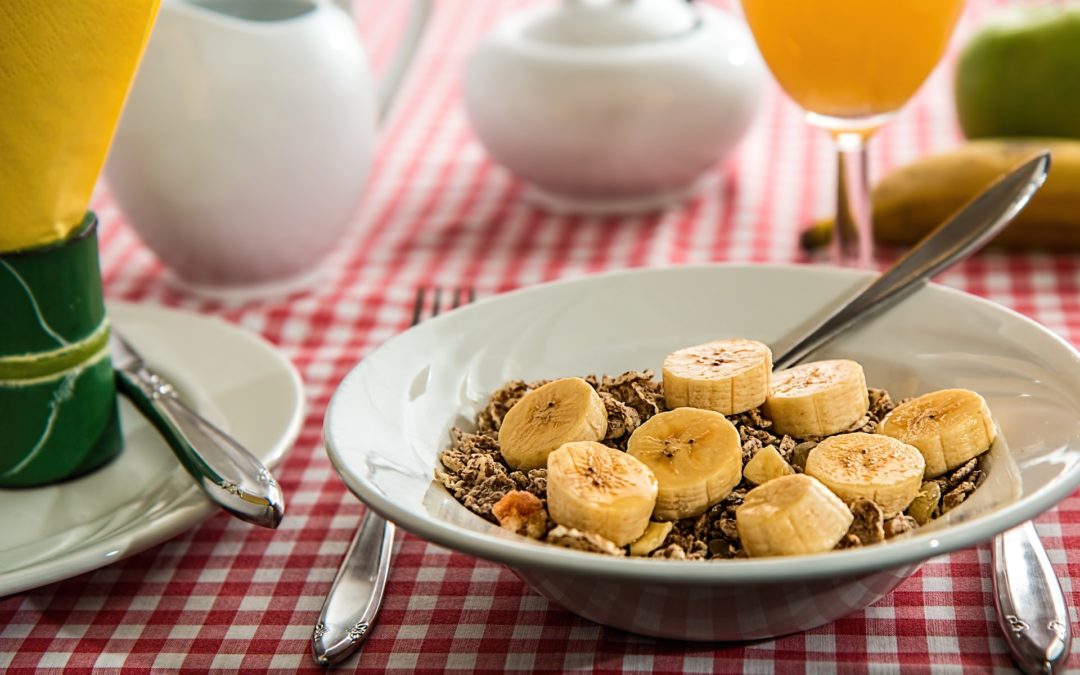
- Eat a high fibre breakfast cereal
- Eat 5 fruits and vegetables daily
- Eat whole foods, rather than processed foods
- Add some nuts, fruits or seeds to plain yogurt
- Include some dried beans, peas and vegetables to soups
- Eat vegetables as a snack such as green or edamame beans, carrots or corn sticks.
- Use healthy high fibre dips such as hummus or guacamole.
- Eat other fibre rich snacks such as homemade popcorn and roasted chickpeas
Table 1: Example of how much you should be eating to meet the daily fibre requirements
| Product | Fibre content |
| 1 cup Oats | 8.2 g |
| 2 Fruits | 4.4 g |
| 2 slice whole wheat bread | 3.8 g |
| 3 Vegetables | 4.8 g |
| 1 cup brown rice | 3.0 g |
| Total | 24.2 g |
| Add 1 tsp flaxseeds | 1.9 g |
| Eat 1 extra vegetable portion | 1.6 g |
| Total | 27.7 g |
1. Mirmiran P, Bahadoran Z, Khalili Moghadam S, Zadeh Vakili A, Azizi F. A prospective study of different types of dietary fiber and risk of cardiovascular disease: Tehran lipid and glucose study. Nutrients. 2016;8(11):686.